







Search Results for: Avoiding Sourness
How to Identify High-Quality Coffee Beans? An Analysis of Specialty Coffee Evaluation Standards and Selection Key Points
In the face of a dazzling array of coffee beans, how can one judge quality? Currently there is no unified international definition of specialty coffee, but the Specialty Coffee Association of America and coffee-producing countries each have their own set of evaluation criteria. The former scores based on dimensions such as dry and wet aroma, acidity, body, aftertaste, flavor, and balance, while the latter focuses on conditions such as variety, altitude, terrain, and processing method. This article systematically sorts out these standards and summarizes the core characteristics of specialty coffee beans in terms of variety, growing environment, harvesting and processing, and grading, storage, and transport, while also explaining the freshness, healthfulness, and flavor performance that specialty coffee beverages should have. At the end, it also recommends Front Street Coffee's espresso blend solutions for different needs, for the reference of coffee enthusiasts and industry professionals. [more…]
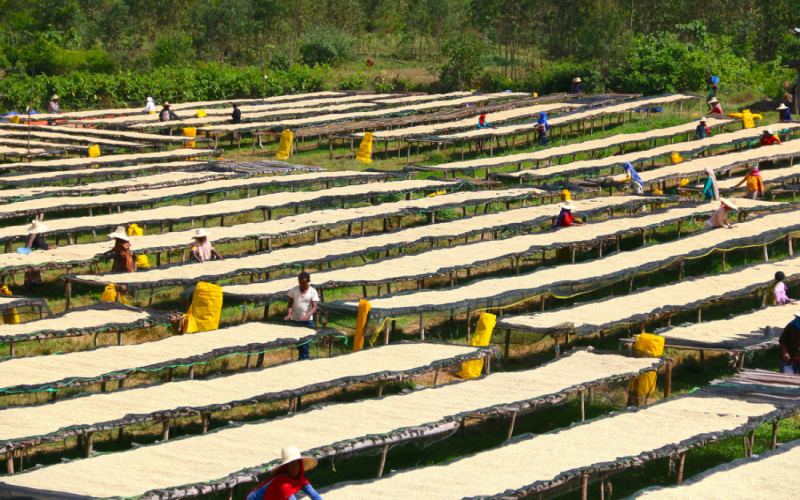
Why Does Ethiopian Coffee Taste Sour? A Brief Discussion of the Causes of Coffee Acidity and Key Tasting Points
The acidity in coffee often confuses beginners, especially beans from regions like Ethiopia Yirgacheffe, where the bright lemon-citrus acidity on the palate is often mistaken for spoilage. In fact, coffee's acidity is closely related to varietal genetics, growing environment, green bean processing, and roast level, with each region having its own characteristics. From the perspective of Front Street Coffee, this article analyzes the scientific reasons why coffee becomes sour, introduces the impact of light-to-medium roasting on acidity, and shares methods for regulating sourness through grind size, water temperature, and time in pour-over extraction. Finally, it includes the three-stage brewing parameters for Kenyan Little Tomato coffee beans to help enthusiasts understand the specialty coffee concept of balancing acidity with sweetness and bitterness. [more…]
Starting from Flavor and Mouthfeel: How to Judge Whether Pour-Over Extraction Is Proper and Adjust Brewing Parameters
Extraction is the most central yet most easily misunderstood part of coffee brewing. Starting from flavor and mouthfeel, this article systematically sorts out the typical signals of under-extraction and over-extraction, helping you quickly judge the state of a cup of pour-over coffee and adjust parameters accordingly. Under-extraction often shows up as sharp acidity, a lack of sweetness, a salty sensation, and a short finish; over-extraction brings bitterness, dryness, and a hollow feel. Once you understand these clues, you can correct grind, time, and ratio with more direction, bringing the coffee back to a balanced, delicious place. The article also retains product recommendation information related to Front Street Coffee, making it convenient for everyday practice and comparison. [more…]
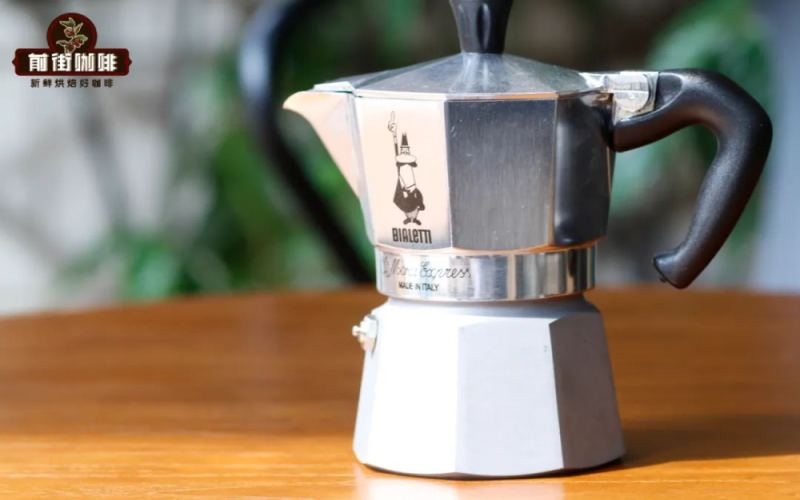
Moka Pot Coffee Brewing Ratios and Operational Details: How to Avoid Sourness and Extract a Rich Flavor
The moka pot, with its iconic design and the convenience of making strong coffee at home, is becoming increasingly popular among domestic coffee enthusiasts. But to brew a cup that isn't sour, is rich and full of aroma, there are finer points to master: the coffee-to-water ratio, grind size, and heat control. This article starts with the moka pot's three-part structure, explains its pressure-extraction principle and how it differs from espresso, then gives specific steps: how much water to put in the bottom chamber, how fine to grind the coffee, how much to fill, when to lower the heat, when to turn off the heat, and what makes a dual-valve pot special. It also pairs five Front Street Coffee beans suitable for the moka pot to help you choose the right medium-dark or dark roast coffee and easily achieve a low-acid, rich flavor. [more…]

Home-brewed coffee never tastes as good as in the café? An in-depth analysis of the causes and adjustment methods for sourness, bitterness, strength, astringency, muddiness, and burnt notes in pour-over coffee
Many coffee enthusiasts, after tasting an outstanding pour-over in a café, will buy the same roasted beans to try to replicate it at home, only to find the results often disappointing—either too sour or too bitter, too strong or too weak, sometimes even astringent, with off-flavors or a burnt taste. The reasons behind this are no mystery; they mainly involve consistency across batches of coffee beans, as well as differences in key parameters such as water quality, grind size, water temperature, coffee-to-water ratio, and brewing technique. Based on Front Street Coffee's brewing experience, this article breaks down these variables one by one to help you pinpoint the problem and brew coffee at home that is closer to café quality. [more…]
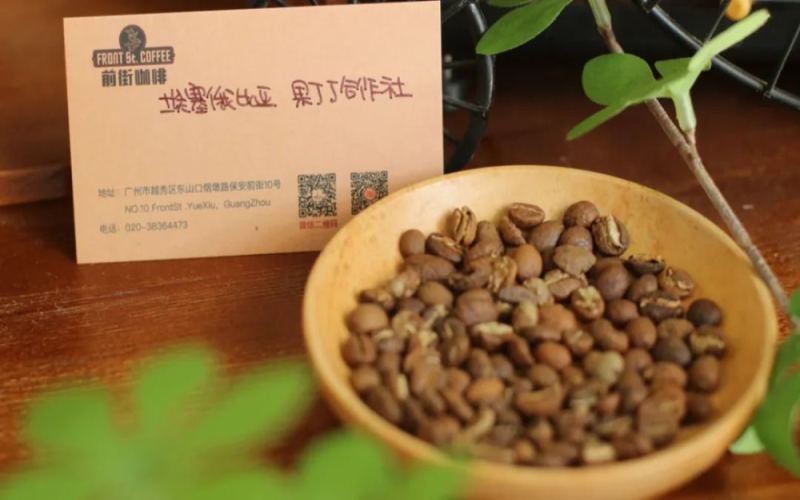
Yirgacheffe Pour-Over Guide: How 92–93°C Water Unlocks Floral Aromas and Citric Acidity
Yirgacheffe is famous for its enchanting floral aroma and citric acidity, but if you want to brew this kind of flavor at home, water temperature, grind size, and pouring technique are all crucial. Using two beans, the washed Gedingding Cooperative and the natural Red Cherry, Front Street Coffee shares a complete approach from cupping comparison to actual pour-over brewing. This article will analyze in detail why a high temperature of 92-93°C best brings out the floral and fruity notes, how the spiral ribs of the V60 dripper affect the layers of extraction, and the specific rhythm of the three-stage pouring method, helping you reproduce a cup of Yirgacheffe that is clean and sweet with an obvious lingering sweetness. [more…]
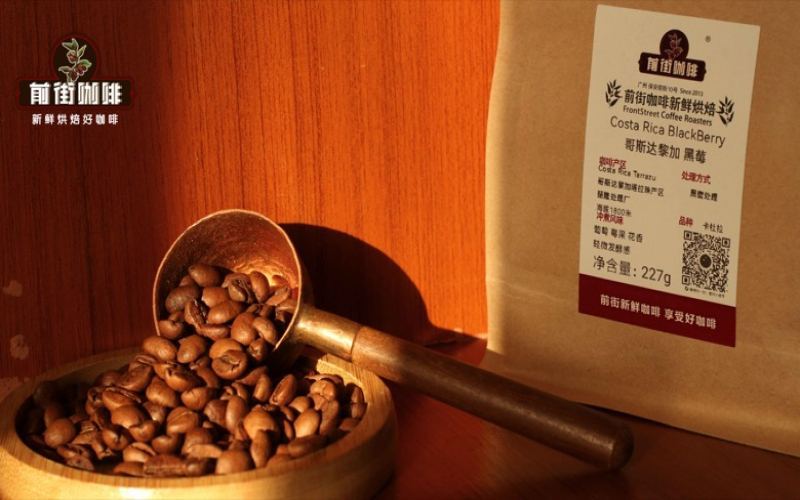
The Sweet-and-Sour Structure of Light-Roast Beans: Floral and Fruity Aromas with Bright Acidity
The flavor logic of light-roasted beans is "preservation": the roasting time is short, so the floral and fruity aromas and acidity of the origin are retained to a greater extent. When brewed properly, it is a bright and clean cup. The light-roast version of Front Street Coffee Yirgacheffe Gedingding has a clear citrus and green tea sweetness, and the acidity is a lively fruit acidity rather than a sharp, irritating sourness—the sweet-and-sour sensation of a light roast. [more…]
Too Many Fines in Pour-Over Causing Bitterness? Try the Low-Temperature Bloom Method to Lower Extraction Yield
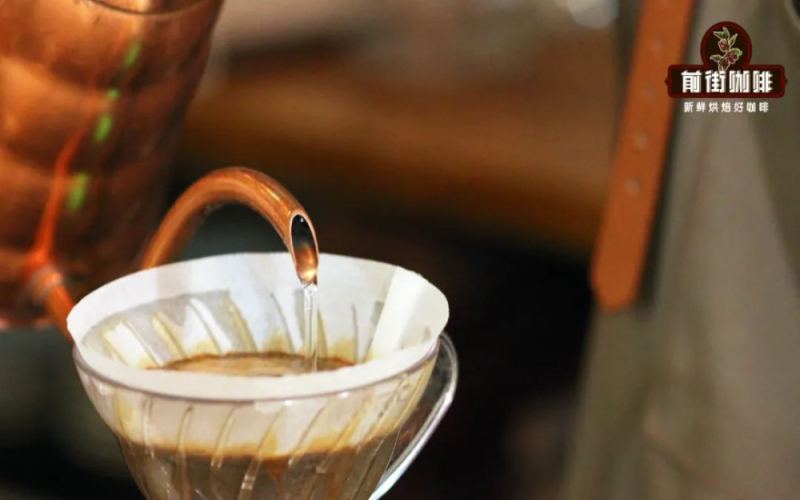
In pour-over coffee, over-extraction is one of the main causes of bitterness, and the excessive fines produced by underperforming grinders often exacerbate this problem. Front Street Coffee has previously introduced the stepped temperature-decline extraction method to reduce the extraction rate in the middle and latter stages, and this time we'll share using low-temperature water for the blooming stage. Emi, the 2018 WBrC champion, once adopted a low-temperature blooming strategy, using a valve dripper to alternate immersion and drip extraction, with the aim of gently extracting sweetness and avoiding a dry finish. Front Street tested with Ethiopian Hualigui beans, which had a fines rate of 14% when ground with a hand grinder, and produced a lingering dry bitterness after conventional brewing. By adjusting the blooming water temperature to 83°C, extending the blooming time to 35 seconds, and then raising the water temperature to 93°C for subsequent pours, the result was a balanced flavor with rich berry-like sweetness and acidity, a noticeable tea-like aftertaste, and no bitterness. If you've also struggled with over-extraction, you might want to consider this approach. [more…]

SOE Coffee Brewing Guide | How to Make Delicious SOE Espresso? How to Adjust SOE Coffee Bean Brewing Parameters?
After drinking too much traditional dark-roast espresso, one can't help but want a change of taste. As a result, most people swap the dark-roast blend in their hopper for SOE coffee beans that highlight flavor, using them to craft espresso with a pronounced acidic taste. These beans tend to be roasted on the lighter side, so if we use the parameters for extracting dark-roast beans [more…]
What flavors does over-extracted espresso present, and how to adjust parameters to make good-tasting espresso
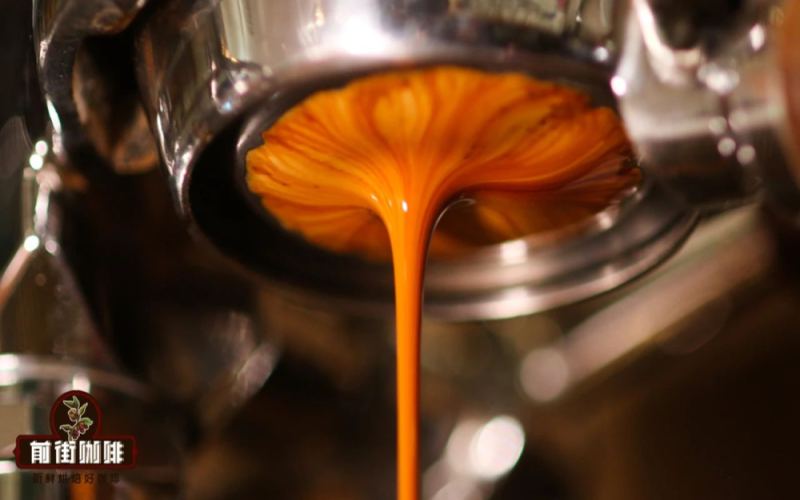
In the process of making espresso, over-extraction is a very common problem that directly ruins the flavor expression of a shot. This article focuses on the taste characteristics of over-extracted espresso, first helping you identify typical signals such as muddiness, burnt notes, bitterness, astringency, and a stinging throat, then offering practical advice on avoiding over-extraction from two directions: coffee bean selection and the coffee-to-liquid ratio. It then uses café output as a reference to walk through the complete Espresso-making process, including equipment pressure, dose, extraction ratio, and time control, and introduces the flavor performance of Front Street Coffee's classic blend in espresso, as well as how its taste changes when extended into an Americano or latte—suitable for enthusiasts practicing espresso at home. [more…]
Brazilian Coffee Pour-Over Techniques Explained: Why Medium-Dark Roast Black Coffee Tastes Burnt and Bitter and How to Improve It
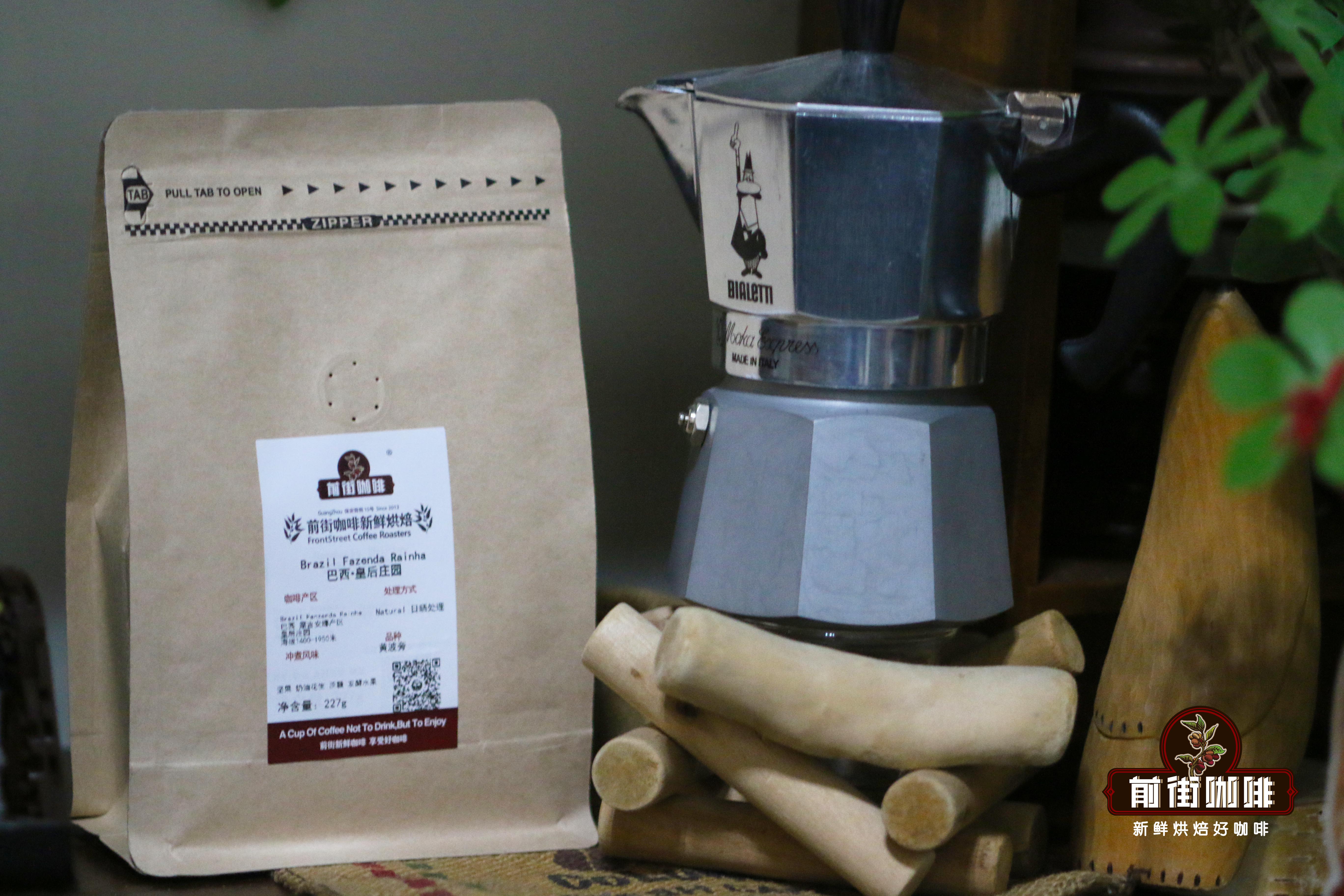
Many coffee lovers find that after getting their hands on Brazilian beans, the coffee they brew has a pronounced bitterness, sometimes even an unpleasant scorched bitterness that stings the throat. Brazilian coffee beans are mostly medium-dark roasted, and bitter notes are inherently part of their flavor profile, but bitterness comes in both positive and negative forms—the bitterness of nuts, chocolate, and caramel is pleasant, while smokiness, wood shavings, medicinal notes, and burnt flavors are defects. Using beans from Brazil's Cerrado region as an example, Front Street Coffee breaks down one by one—from dripper selection, dose, coffee-to-water ratio, grind size, and water temperature to the three-pour technique—how to brew a cup of full-bodied, sweet Brazilian pour-over with rich caramel and nut flavors, while avoiding the development of negative scorched bitterness. [more…]
An Analysis of the Seven Major Pour-Over Coffee Schools: A Full Comparison of Brewing Techniques Including the One-Pour and Three-Pour Methods
The charm of pour-over coffee lies not only in the flavor itself, but also in the ever-changing brewing techniques. In coffee enthusiast circles, there are seven major brewing schools: volcano pour, meteor pour, one-cut pour, three-cut pour, tamped pour, stirring method, and drip pour. Except for the drip pour, all the other methods use circular pouring. Each school has its own unique extraction logic and flavor orientation—some pursue layering, some emphasize sweetness, and some are better suited for enthusiasts to explore. This article breaks down the key operational points, pros and cons, and suitable scenarios for each method one by one, and includes practical advice from Front Street Coffee to help you find the style that suits you best in your daily brewing. [more…]
Does Steaming Milk Too Hot Make a Latte Taste Worse? Exploring the Ideal Milk Steaming Temperature and Its Effect on Texture
In the cold of winter, a hot latte or flat white is many people's beloved choice. Many customers ask for "the milk to be steamed hotter," but baristas often insist on the widely accepted steaming range of 55°C–65°C. Why does milk coffee, once the temperature rises, instead become scalding, less sweet, and coarse in mouthfeel? The core reason lies in protein denaturation and changes in lactose sweetness. Starting from the principles of milk foam formation, this article explains why milk above 70°C leads to difficulty in latte art, separation of foam and coffee, and accelerated foam collapse, and points out that 68°C is already the peak temperature. It also shares the experimental conclusion of Front Street Coffee: 60°C–70°C is the range where lactose sweetness is most pronounced. Finally, it offers practical suggestions, such as using preheated ceramic cups to slow cooling, so that milk coffee maintains its best flavor at a suitable temperature. [more…]
A Detailed Guide to Five Classic Pour-Over Coffee Techniques: Volcano Pour, Matsuya Method, Stirring Method, and More — Steps, Pros, and Cons
Pour-over coffee may seem simple, but in fact it hides many intricacies. For those just starting out, mastering different pouring techniques can bring out completely different flavor expressions from the same bean. This article will break down five commonly used pour-over methods one by one—the volcano pour and Matsuya method from Japan, the stirring method that became popular in Europe and the United States after winning the WBC, the delicate and refined drip method, and the academy-style brewing method with excellent stability. Each method will be fully explained from operational key points, applicable scenarios, to advantages and disadvantages, helping coffee lovers find the most suitable brewing method according to their own needs and the characteristics of the beans. Whether you are pursuing a rich mouthfeel or a bright sweetness, you can gain practical reference from it. [more…]
How to Choose Full-Bodied Coffee Beans: From Flavor Direction to Brewing Method
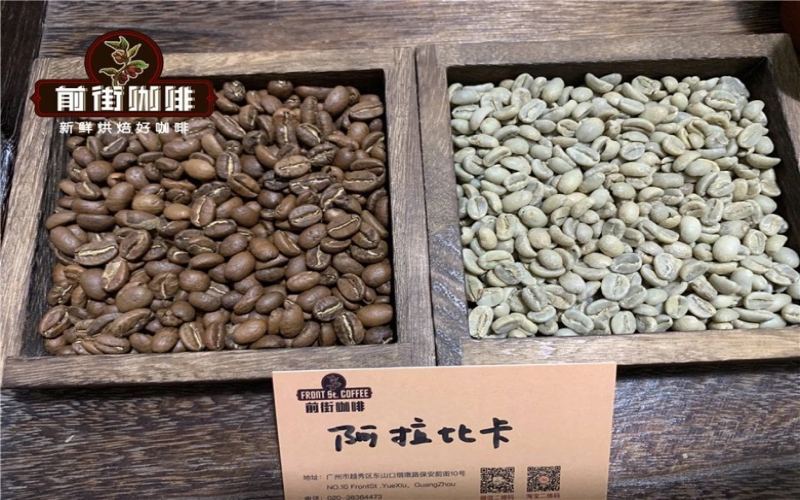
The flavor of a cup of coffee isn't just about acidity or bitterness—it also includes aroma, sweetness, body, mouthfeel, and finish. When choosing beans, first decide whether you want floral and fruity notes, nutty and cocoa notes, or a balance between the two, then match that to the corresponding origin, processing method, and roast level. Dark roasts push the flavor toward cocoa and nutty [more…]
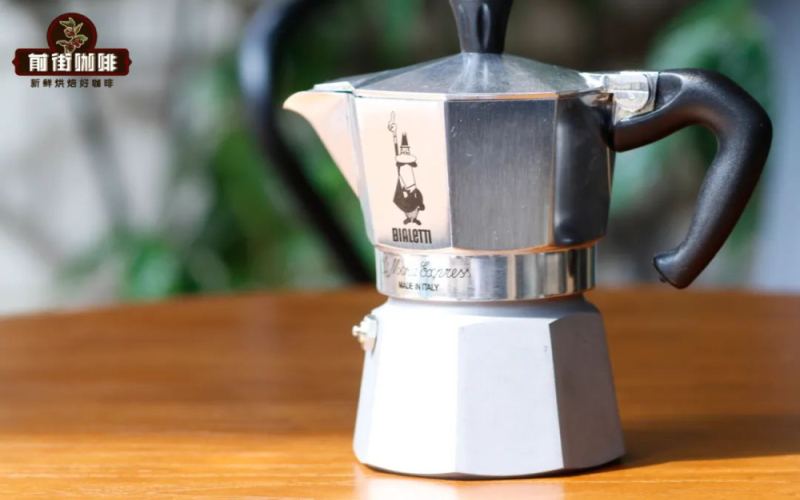
A Detailed Explanation of Moka Pot Extraction Principles and Key Operating Points, with Front Street Coffee Bean Selection Recommendations
Since its invention by Bialetti in 1933, the moka pot has become an essential coffee device in Italian households, thanks to its 1-2 bar extraction pressure and convenient operation. This article will systematically explain how to use a moka pot to brew a rich, full-bodied espresso, covering its structure and principles, usage precautions, coffee bean selection, and specific brewing steps. It also combines Front Street Coffee's blend and single-origin bean recommendations to help enthusiasts avoid common mistakes and master the entire process, from distributing the grounds to cooling, making moka pot results more consistent and better tasting. [more…]

Choosing Yirgacheffe Coffee Beans Suitable for Pour-Over by Roast Level
When Yirgacheffe is placed in a dripper, the usual notes are floral, citrus, and berry aromas, with a light body on the palate, and as it cools, sweetness gradually emerges. Different roast levels push these characteristics in different directions: a light roast is livelier and brighter, a light-medium roast is rounder and more balanced, while a medium-dark roast brings cocoa, nuts, and a fuller body. To choose the right one [more…]
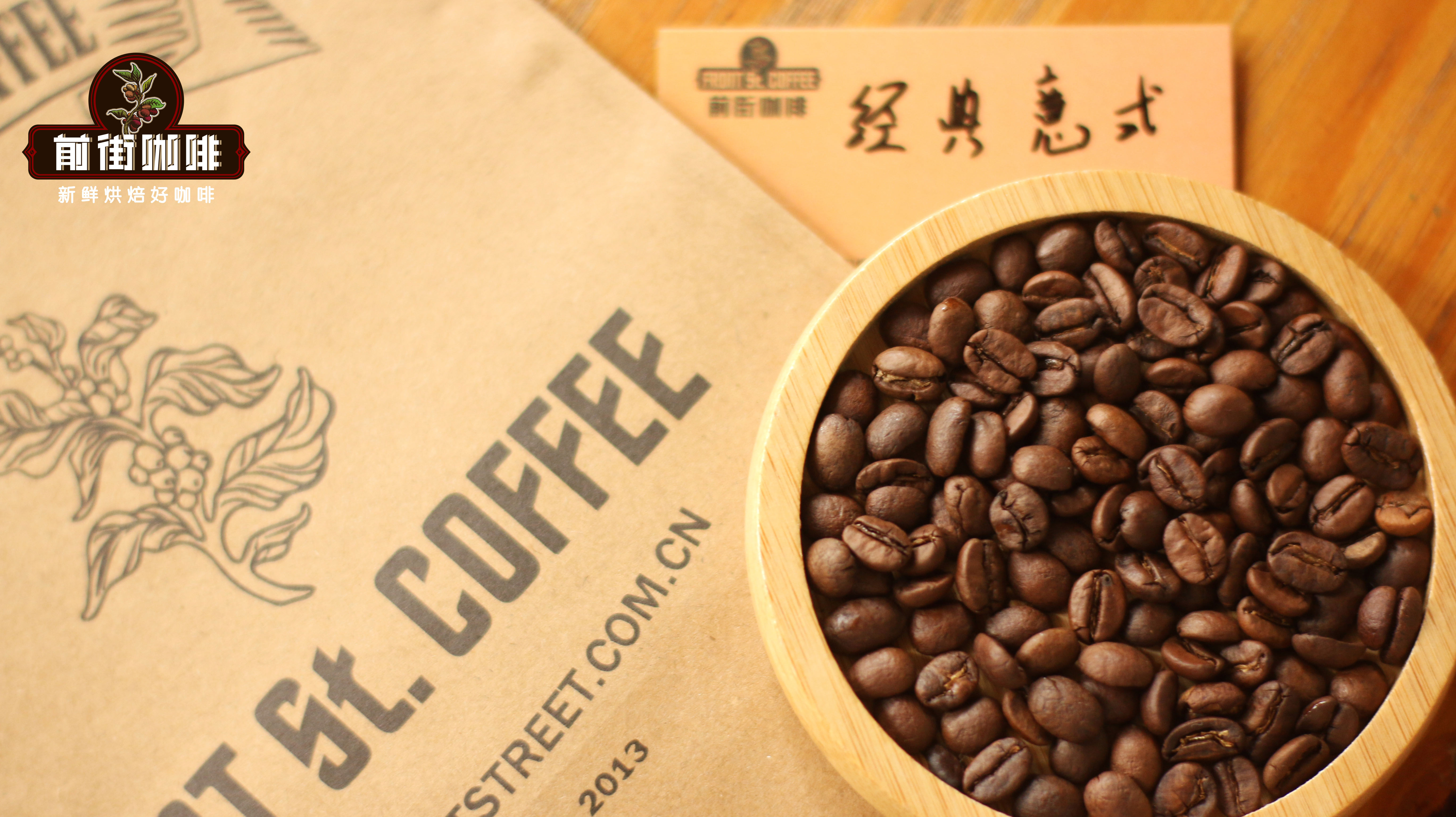
Single-Origin Espresso Beans | How to Choose Beans for SOE Americano? 4 Beginner-Friendly SOE Espresso Bean Recommendations with Clear Flavors and Great Value
Unlike the uniformly bitter coffee of the past, today's coffee offers a diverse range of flavors—sour, sweet, bitter, and strong are all there—and different brewing methods come with different names. Generally speaking, pour-over coffee uses single-origin beans, because this allows you to taste a unique flavor; for espresso, traditionally [more…]
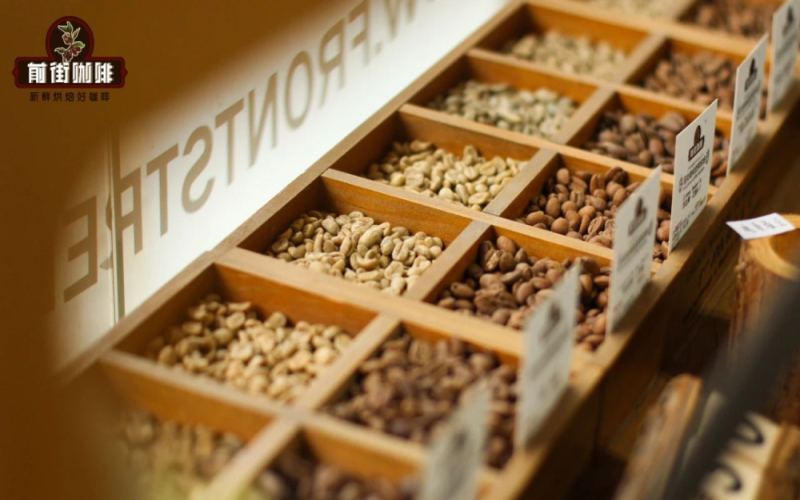
Kenyan Coffee Acidity Explained: A Complete Guide to Regional Terroir, Varieties, Grading, and Brewing Parameters
Kenyan coffee is famous in the specialty coffee world for its bright, full-bodied acidity, but its story goes far beyond sourness. This article provides a systematic overview of Kenyan coffee, from producing regions, variety characteristics, and grading systems to flavor expression, and, in response to its hard beans and tendency to clog, offers Front Street Coffee's complete brewing method, including grind size, water temperature, coffee-to-water ratio, and pouring technique, to help coffee lovers fully unlock its tomato-like and smoked plum-like layers of sweetness and acidity. [more…]
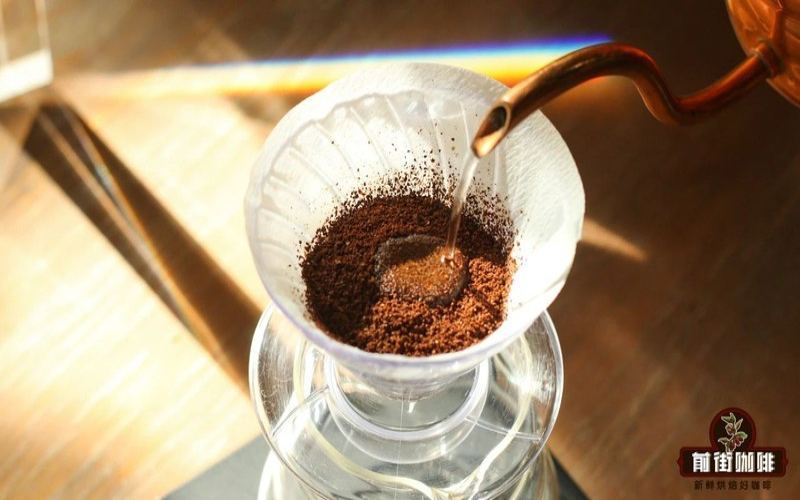
Choosing fruity coffee beans by roast level: how to choose between light, medium, and dark roasts
Fruity coffee beans aren't just about "tasting as sour as fruit"—they can also present floral aromas, a jam-like quality, juice-like body, or a delicate sweetness reminiscent of black tea. The roast level determines where these notes sit in the cup: roast light, and the fruity aromas move to the forefront; roast dark, and the fruity character blends into caramel, cocoa, and roasted notes, while the mouthfeel becomes more [more…]